Anaemia in adolescent girls is an important nutrition and public-health concern. Adolescence, generally considered the age of 10–19 years, is a period of rapid physical growth. In girls, the beginning of menstruation further increases iron requirements because of regular blood loss.
According to the World Health Organization (WHO), menstruating adolescent girls are among the groups particularly vulnerable to anaemia. WHO also notes that anaemia can result from several causes, including nutritional deficiencies, infections, inflammation, heavy menstrual bleeding and inherited blood disorders.
What is Anaemia?
Anaemia occurs when the haemoglobin concentration in the blood is lower than the appropriate level for a person’s age, sex and physiological circumstances. Haemoglobin carries oxygen from the lungs to the body’s tissues.
Among the nutritional causes of anaemia, iron deficiency is one of the most common. However, not every case of anaemia is caused by iron deficiency. Folate or vitamin B12 deficiency, infections, chronic illnesses, heavy menstrual bleeding and inherited conditions such as thalassaemia can also contribute.
Therefore, persistent symptoms should not simply be treated with iron tablets without appropriate medical assessment.
Why Are Adolescent Girls at Higher Risk?
During adolescence, the body undergoes rapid growth and the demand for nutrients increases. Once menstruation begins, girls regularly lose blood and therefore iron.
Some important risk factors include:
- Inadequate intake of iron-rich foods
- Poor dietary diversity
- Heavy or prolonged menstrual bleeding
- Rapid growth during adolescence
- Frequent infections
- Worm infestation in some settings
- Poor absorption of dietary iron
- Certain chronic diseases
- Folate or vitamin B12 deficiency
- Inherited blood disorders
WHO specifically identifies menstruating adolescents as a group at increased risk of anaemia because of repeated blood loss.
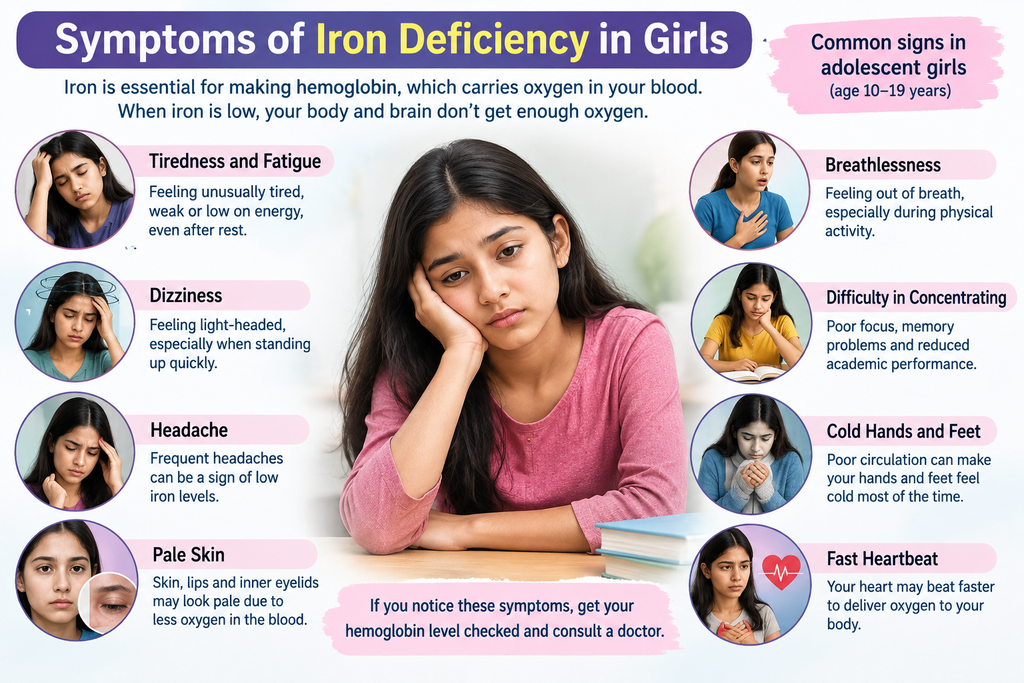
Common Symptoms of Anaemia in Teenage Girls
Anaemia may develop gradually, and some girls may initially have few symptoms.
Common symptoms can include:
- Persistent tiredness or fatigue
- Weakness
- Dizziness or light-headedness
- Headache
- Difficulty concentrating
- Reduced exercise tolerance
- Breathlessness, particularly during physical activity
- Cold hands and feet
- Pale skin or pale mucous membranes
- Rapid heartbeat in more significant anaemia
WHO lists tiredness, dizziness, weakness and shortness of breath among common symptoms. More severe anaemia may produce marked pallor, rapid breathing or heart rate and dizziness on standing.
However, these symptoms are not specific to anaemia. A blood haemoglobin test and clinical evaluation are important when anaemia is suspected.
WHO Facts and Survey Results
WHO’s adolescent-health indicator defines anaemia among adolescents aged 10–19 years according to haemoglobin levels and recommends considering age, sex and other relevant characteristics when interpreting haemoglobin measurements.
At the broader global level, WHO’s 2025 anaemia fact sheet estimates that 30% of women aged 15–49 years, equivalent to about 539 million non-pregnant women in 2019, were affected by anaemia. Menstruating adolescent girls are specifically identified as a vulnerable group.
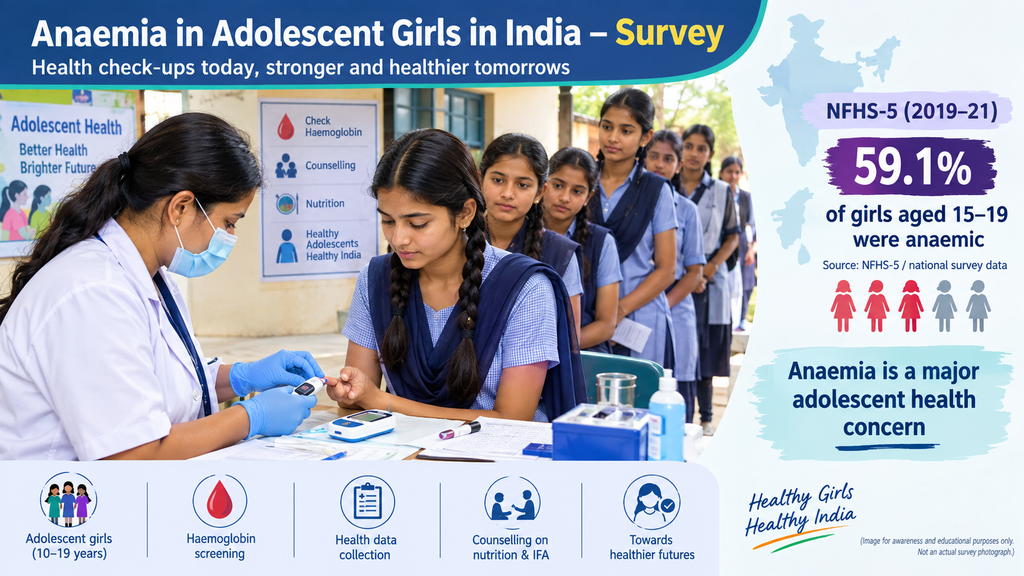
For India, it is important to distinguish WHO global estimates from national surveys. NFHS-based analyses have reported substantial anaemia among Indian adolescent girls aged 15–19. One analysis using NFHS data reported an increase from 55.8% in 2005–06 to 59.1% in 2019–21 among girls aged 15–19.
These figures show why adolescent nutrition and anaemia prevention remain important public-health priorities.
Iron and Folic Acid Supplementation
Iron–folic acid (IFA) supplementation is an important strategy for preventing and addressing nutritional anaemia.
Iron is required to produce haemoglobin and support normal oxygen transport. Folic acid is important for DNA synthesis and the formation of healthy blood cells.
WHO has published guidance supporting iron supplementation strategies for menstruating adolescent girls and women in appropriate public-health settings. WHO also recognizes weekly iron–folic acid supplementation as a strategy that can be incorporated into programmes for adolescent girls and women.
Iron–Folic Acid Programme in India
India’s Anaemia Mukt Bharat (AMB) strategy includes adolescent girls and boys aged 10–19 years.
According to the National Health Mission, school-going adolescents and out-of-school adolescent girls aged 10–19 years are provided a weekly IFA tablet containing 60 mg elemental iron and 500 micrograms folic acid under the current programme.
The programme also includes screening and treatment of anaemia, dietary counselling, deworming and other measures designed to address different causes and risk factors.
The National Health Mission reports that the programme has been rolled out across all States and Union Territories and covers both in-school and out-of-school beneficiaries.
IFA dose for adolescent girls in India
- Age: 10–19 years
- Dose: 1 IFA tablet once weekly
- Composition: 60 mg elemental iron + 500 µg folic acid
- Applies to: School-going adolescent girls and out-of-school adolescent girls under Anaemia Mukt Bharat (AMB).
- Important: This is the preventive programme dose. Girls with confirmed anaemia may require a different treatment regimen based on haemoglobin level and the cause, under medical supervision.
Does Iron–Folic Acid Supplementation Help?
Evidence supports iron supplementation as an effective public-health intervention for preventing iron deficiency and reducing anaemia in appropriate populations.
WHO has documented experience with weekly iron–folic acid programmes among adolescent girls. An earlier Indian programme evaluation reported a reduction in anaemia prevalence after one year of weekly supplementation, although results from older programme evaluations should not be interpreted as representing current prevalence across all of India.
The benefit of supplementation depends on several factors, including correct dosing, regular consumption, adherence, diet, underlying causes of anaemia and appropriate diagnosis.
Food Sources of Iron
IFA supplementation should not replace a nutritious diet.
Adolescent girls can include a variety of iron-containing foods such as:
- Green leafy vegetables
- Pulses and lentils
- Beans and peas
- Fortified cereals and foods
- Nuts and seeds
- Whole grains
- Meat, poultry and fish where included in the diet
- Other locally available iron-rich foods
Vitamin-C-rich foods such as amla, guava, citrus fruits, tomatoes and other fruits and vegetables can help improve absorption of non-haem iron when eaten with meals.
A balanced diet should also provide folate, vitamin B12, protein and other nutrients required for healthy growth.
What About Worm Infestation?
NOTE: Intestinal worms can contribute to anaemia in some populations, particularly where sanitation and hygiene conditions increase exposure.
India’s Anaemia Mukt Bharat strategy therefore includes periodic deworming as one component of its broader anaemia-control approach.
Deworming medicine should be taken according to the applicable public-health programme or advice from a qualified healthcare professional.
When Should a Girl See a Doctor?
Medical evaluation is particularly important when a girl has:
- Severe or persistent fatigue
- Fainting or significant dizziness
- Breathlessness with minimal activity
- Very heavy or prolonged menstrual bleeding
- Recurrent headaches or weakness
- Poor growth or significant weight loss
- Persistent pallor
- Symptoms that do not improve
Final Conclusion
Anaemia in adolescent girls is an important health and nutrition concern, particularly during the years of rapid growth and after the onset of menstruation. Iron deficiency can contribute to tiredness, weakness, dizziness, headaches, reduced concentration and breathlessness, which may affect daily activities, physical performance and school life. WHO identifies menstruating adolescent girls as a group at increased risk of anaemia.
Prevention should include a balanced, iron-rich diet, appropriate iron–folic acid supplementation, attention to menstrual health, prevention or treatment of infections and periodic health assessment when required. WHO recognizes iron and folic acid supplementation as an important intervention for adolescent girls in appropriate public-health programmes.
It is important to remember that every case of anaemia is not necessarily caused by iron deficiency. Vitamin deficiencies, infections, chronic diseases, heavy menstrual bleeding and inherited blood disorders can also cause anaemia. Therefore, girls with persistent or significant symptoms should have appropriate medical evaluation rather than taking iron supplements on their own for a prolonged period.
Early recognition, nutritious food, appropriate supplementation and timely medical care can help protect the health, growth and well-being of adolescent girls.
Medical Disclaimer
Disclaimer: This article is intended for general health education and awareness only. It does not constitute medical diagnosis, treatment or personalised medical advice. The symptoms discussed in this article can occur due to several different health conditions and do not by themselves confirm iron-deficiency anaemia.
Iron–folic acid tablets or other medicines should be taken according to the advice of a qualified healthcare professional or an applicable government health programme. The appropriate dose and duration may vary according to age, haemoglobin level, nutritional status, underlying cause and individual health circumstances.
If an adolescent girl has persistent fatigue, severe weakness, fainting, significant breathlessness, very heavy menstrual bleeding, marked pallor or other concerning symptoms, medical evaluation should be sought promptly. A healthcare professional may recommend haemoglobin testing and other investigations to determine the cause of anaemia.
The author and website are not responsible for any adverse outcome resulting from self-diagnosis, self-medication or use of information from this article without professional medical guidance .
The post was created by Dr. Sailendra Kumar (medical officer, under the RBSK programme in India)