
PCOS (Polycystic Ovary Syndrome) is a common hormonal and metabolic condition that can affect menstrual cycles, ovulation, skin, hair growth, weight and fertility. It may also be associated with metabolic and psychological health problems.
What Causes PCOS?
There is no single known cause of PCOS. Hormonal and metabolic factors, particularly problems involving insulin and androgen hormones, are thought to contribute.
Some women with PCOS have insulin resistance, which means the body does not respond to insulin effectively. Family history may also increase the likelihood of developing PCOS.
PCOS is not simply caused by eating too much or being overweight. It can occur in women of different body sizes.
IMPORTANT- In May 2026, Polycystic Ovary Syndrome (PCOS)—often referred to informally as PCOD—was officially renamed Polyendocrine Metabolic Ovarian Syndrome (PMOS). [1, 2]
This monumental shift was driven by a global consensus process led by researchers at the Monash Centre for Health Research and Implementation (MCHRI) alongside 56 global clinical and patient advocacy organizations. [1, 2]
**Why the Name Changed to PMOS **
For decades, the term “polycystic” caused immense clinical confusion. The new title breaks down the true multi-system nature of the condition: [1, 2]
- Polyendocrine: Acknowledges that multiple hormone systems throughout the body are disrupted—not just reproductive hormones. [1]
- Metabolic: Highlights the central role of insulin resistance, weight management difficulties, and the heightened risk of type 2 diabetes and cardiovascular health issues. [1, 2]
- Ovarian: Retains its impact on the reproductive system and menstrual health while removing the misleading word “cysts” (the fluid-filled sacs seen on ultrasounds are actually harmless, immature eggs/follicles, and many individuals with the condition do not have them at all). [1, 2, 3]
What This Means for Patients
- No New Testing Required: If you already have a diagnosis of PCOS or PCOD, your diagnosis remains fully valid. The underlying diagnostic criteria have not changed; only the medical label has evolved to be more accurate. [1]
- A Transition Period: Because health systems are vast, the medical community is utilizing a multi-year transition period. You will continue to see both terms used on medical records, lab reports, and prescriptions for the next few years. [1]
- Updated Tools: Free evidence-based resources like Monash University’s “Ask PCOS” mobile application are transitioning to the Ask PMOS app to support patients under the updated framework. [1]
Would you like to know more about how this update changes treatment approaches, or do you need help finding the Ask PMOS mobile app resources?
This is for informational purposes only. For medical advice or diagnosis, consult a professional. AI responses may include mistakes. Learn more
The Lancet Polyendocrine metabolic ovarian syndrome, the new name for …Funding and governance were established with engagement of 56 leading academic, clinical, and patient organisations.
American Society for Reproductive Medicine | ASRMPCOS is Now PMOS: Understanding the Name ChangeThe new name is Polyendocrine Metabolic Ovarian Syndrome (PMOS). PMOS impacts 1 in 8 women, which equates to more than 170 million…
Max Healthcare: Why PCOS Became PMOS: Symptoms, Causes, Fertility & Treatment | Max Hospital The new name focuses on the broader health impact of the condition, including: * Hormonal imbalance * Insulin resistance * Weight …
Show all
Common Symptoms of PCOS
Symptoms can vary considerably from one woman to another. Common symptoms include:
- Irregular or missed periods
- Long gaps between periods
- Difficulty becoming pregnant
- Excess facial or body hair
- Hair thinning or hair loss
- Acne or oily skin
- Weight gain or difficulty losing weight
- Dark, thickened skin patches, particularly around the neck or armpits
- Mood changes, anxiety or depression
- Tiredness
*Having one or more of these symptoms does not automatically mean that a woman has PCOS, because similar symptoms can occur with other conditions. Medical evaluation is important.
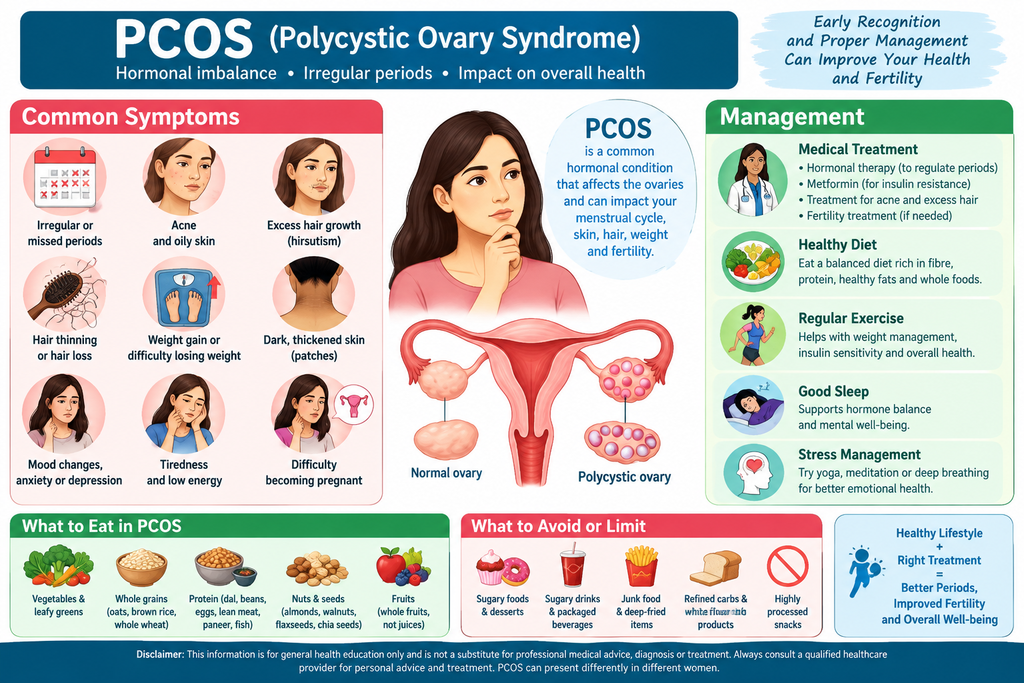
How Is PCOS Diagnosed?
A doctor may consider menstrual history, symptoms, physical examination and appropriate blood tests. Depending on age and circumstances, hormone testing and assessment of metabolic health may be required.
In adults, ultrasound and/or anti-Müllerian hormone (AMH) can have a role in diagnosis, but diagnosis should not be based on an ultrasound finding alone. The 2023 international guideline provides evidence-based diagnostic recommendations.
Treatment of PCOS
There is no single treatment that works for every woman. Treatment is individualized according to symptoms, pregnancy plans, metabolic health and personal preferences.
1. Healthy Lifestyle
A balanced diet, regular physical activity, adequate sleep and sustainable healthy habits are important parts of PCOS management. The international guideline emphasizes lifestyle, emotional wellbeing and quality of life.
2. Treatment for Irregular Periods
Doctors may prescribe hormonal contraceptives or other progesterone-based treatments when appropriate to regulate periods and protect the uterine lining.
3. Metformin
Metformin may be prescribed in selected women, particularly when metabolic problems or insulin resistance are relevant. It should be used under medical supervision.
4. Treatment for Acne and Excess Hair
Depending on the individual, treatment may include medicines for acne, hormonal treatments, or hair-removal methods such as laser or electrolysis.
5. Fertility Treatment
PCOS can interfere with ovulation and therefore make conception more difficult. If pregnancy is desired, doctors can use evidence-based fertility treatments to help restore ovulation. The appropriate treatment depends on the individual situation.
PCOS Mein Kya Khayein? / What to Eat?
There is no single “PCOS diet” that is compulsory for everyone. A sustainable, balanced eating pattern is more important than following a very restrictive diet.
Include More Often
Protein-rich foods
- Dal
- Chana
- Rajma
- Sprouts
- Eggs
- Fish or lean meat, if eaten
- Curd or unsweetened yogurt
High-fibre foods
- Green vegetables
- Seasonal vegetables
- Salad
- Whole fruits
- Oats
- Whole-wheat roti
- Brown rice or other minimally processed whole grains
Healthy fats
- Nuts and seeds
- Almonds
- Walnuts
- Flaxseeds
- Chia seeds
- Healthy cooking oils in appropriate quantities
Fruits
Whole fruits can be included as part of a balanced diet. Prefer whole fruit rather than fruit juice because whole fruit provides fibre.
Examples include apple, guava, orange, berries, papaya and pear.
PCOS Mein Kya Kam Karein/What to Limit?
There is no universal list of foods that every person with PCOS must completely avoid. However, it is generally sensible to limit:
- Sugary soft drinks
- Excess sweets and desserts
- Packaged sugary beverages
- Highly processed snacks
- Frequent deep-fried foods
- Excess refined carbohydrates
- Large amounts of bakery products
- Excessively processed fast food
Instead of completely eliminating carbohydrates, choose higher-fibre, less-refined carbohydrate sources and combine them with protein and vegetables.
Can PCOS Be Cured Permanently?
PCOS is generally considered a long-term condition rather than a disease with a single permanent cure. However, symptoms and associated health risks can often be managed effectively with lifestyle measures and appropriate medical treatment.
The goal is not simply weight loss. Good PCOS care also considers menstrual health, metabolic health, fertility when desired, psychological wellbeing and quality of life.
Conclusion
PCOS is a complex hormonal and metabolic condition, and its symptoms can differ from woman to woman. Irregular periods, acne, excess hair growth, weight-related difficulties and fertility problems are among the commonly reported features.
A balanced diet, regular physical activity, adequate sleep and appropriate medical care can help manage PCOS. There is no need to follow an extreme or highly restrictive diet. Instead, focus on vegetables, fibre-rich foods, adequate protein, whole foods and sensible portions while limiting highly processed and sugary foods.
**Women with persistent irregular periods, fertility concerns or symptoms suggestive of PCOS should consult a qualified healthcare professional for proper assessment and individualized treatment.
Medical Disclaimer
This article is intended for general health education only and should not be considered a substitute for professional medical diagnosis, treatment or individualized dietary advice. PCOS can present differently in different women. Do not start, stop or change medicines such as metformin, hormonal medicines or fertility medicines without consulting your healthcare professional. If you have persistent menstrual irregularities, severe symptoms, pregnancy-related concerns or other medical problems, seek appropriate medical care.
Medical information should be interpreted according to current clinical guidelines and the individual patient’s circumstances.
The post was created by Dr Sailendra Kumar (Medical Officer under the RBSK Programme in India)
Thank you…